China's Chip Tech Lags 10 Years Behind ASML, Says UBS Report
The Gap in Chip Manufacturing
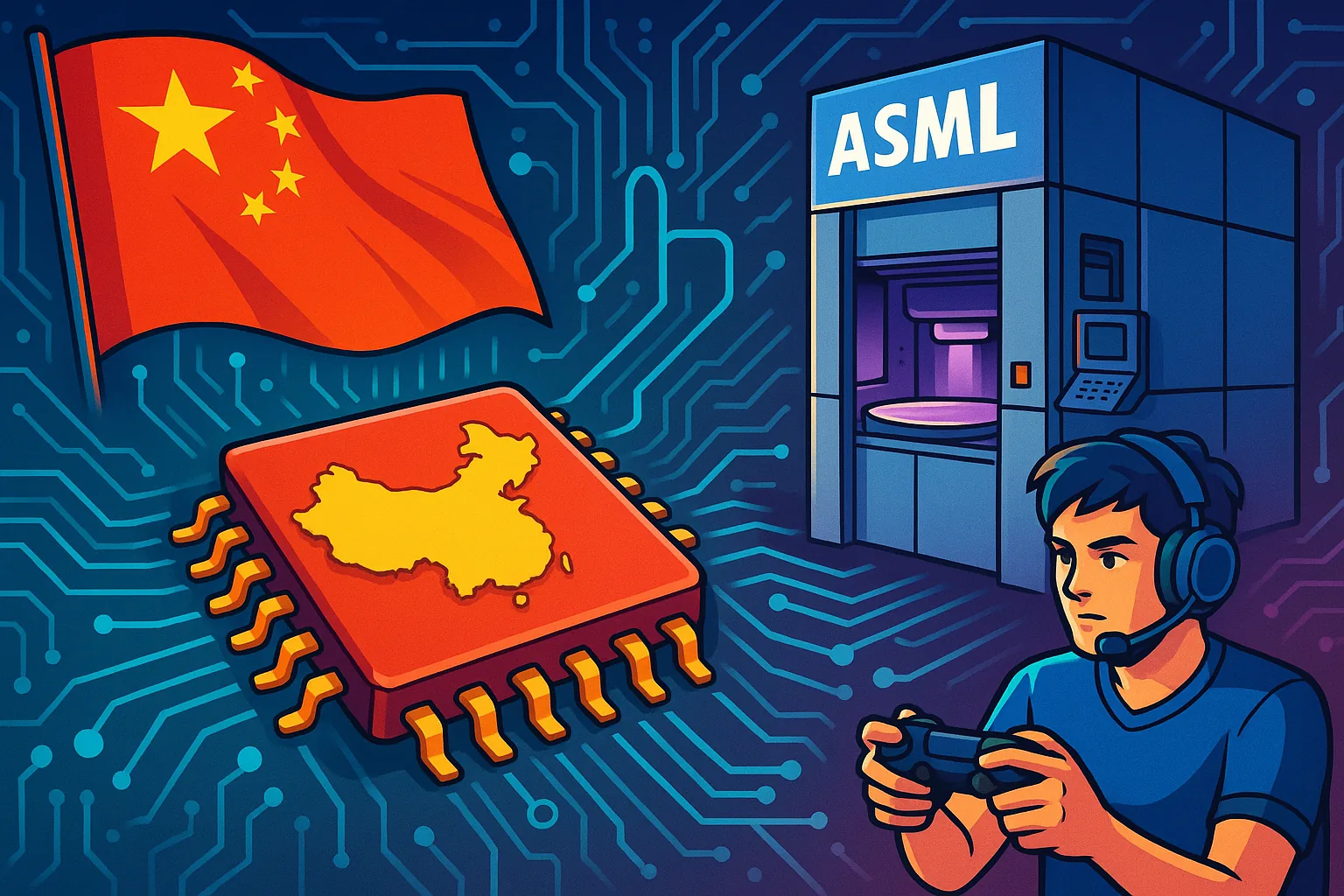
A recent report from investment bank UBS highlights just how far behind China currently sits in the race for advanced chip manufacturing technology. According to the analysis, Chinese chipmakers are trailing Dutch equipment maker ASML by approximately 10 years when it comes to EUV (Extreme Ultraviolet) lithography technology, the cutting-edge method needed to produce the most advanced processors and graphics cards we use in our gaming PCs today.
For gamers, this matters more than you might think. The chips that power your GPU, CPU, and every component in your rig depend on this manufacturing technology. When one of the world’s largest markets can’t access or replicate the latest production methods, it creates ripples across the entire hardware industry.
What’s EUV and Why Does It Matter?
EUV lithography is essentially the process that allows chip manufacturers to etch incredibly tiny circuits onto silicon wafers. The smaller and more precise these circuits, the more powerful and efficient the resulting chips become. This is why we’ve seen massive performance leaps in gaming hardware over the past few years.
ASML is the only company in the world that produces these EUV machines, making them a critical bottleneck in the global chip supply chain. Without access to this technology, creating modern chips becomes significantly more complicated and expensive, if not impossible.
Where China Stands Today
The UBS report indicates that China’s current EUV development is comparable to where ASML was back in 2004. That’s more than two decades of technological advancement to catch up on. The gap exists largely due to US export restrictions that prevent Chinese chip manufacturers from purchasing ASML’s EUV machines.
Interestingly, the situation looks somewhat better for older DUV (Deep Ultraviolet) immersion lithography technology. China appears capable of closing that gap much sooner, though DUV can’t produce the cutting-edge chips that power modern gaming hardware and high-performance computing.
The Bigger Picture for PC Gaming
This technological divide has real implications for the PC gaming ecosystem. China represents a massive market for both gaming hardware and game development. Any limitations in domestic chip production capability could affect everything from graphics card availability to pricing in the region, which in turn influences global supply chains.
We’ve already experienced how sensitive the hardware market is to production constraints. Remember the GPU shortages from recent years? Situations like these remind us how interconnected and fragile the chip manufacturing pipeline really is.
The 10-year gap also means that for the foreseeable future, the most advanced gaming hardware will continue to depend on manufacturing processes that China cannot yet replicate domestically. This keeps companies like TSMC and Samsung at the center of the gaming hardware world.
Looking Ahead
While a decade might sound like a long time in the fast-moving tech world, it’s actually a realistic timeframe for catching up in semiconductor manufacturing. These machines are incredibly complex, representing some of the most sophisticated technology humans have ever created.
For now, gamers can expect the status quo to continue. Your next GPU upgrade will still rely on the same handful of manufacturers using ASML equipment. Whether that changes by the mid-2030s remains to be seen, but the current technological landscape appears set for the foreseeable future.
If you’re looking to upgrade your rig with current-gen hardware, you might want to check out our deals section for the best prices on graphics cards and processors. 🎮