Rising Prices Push 40% of Gamers to Cancel Their Subscriptions
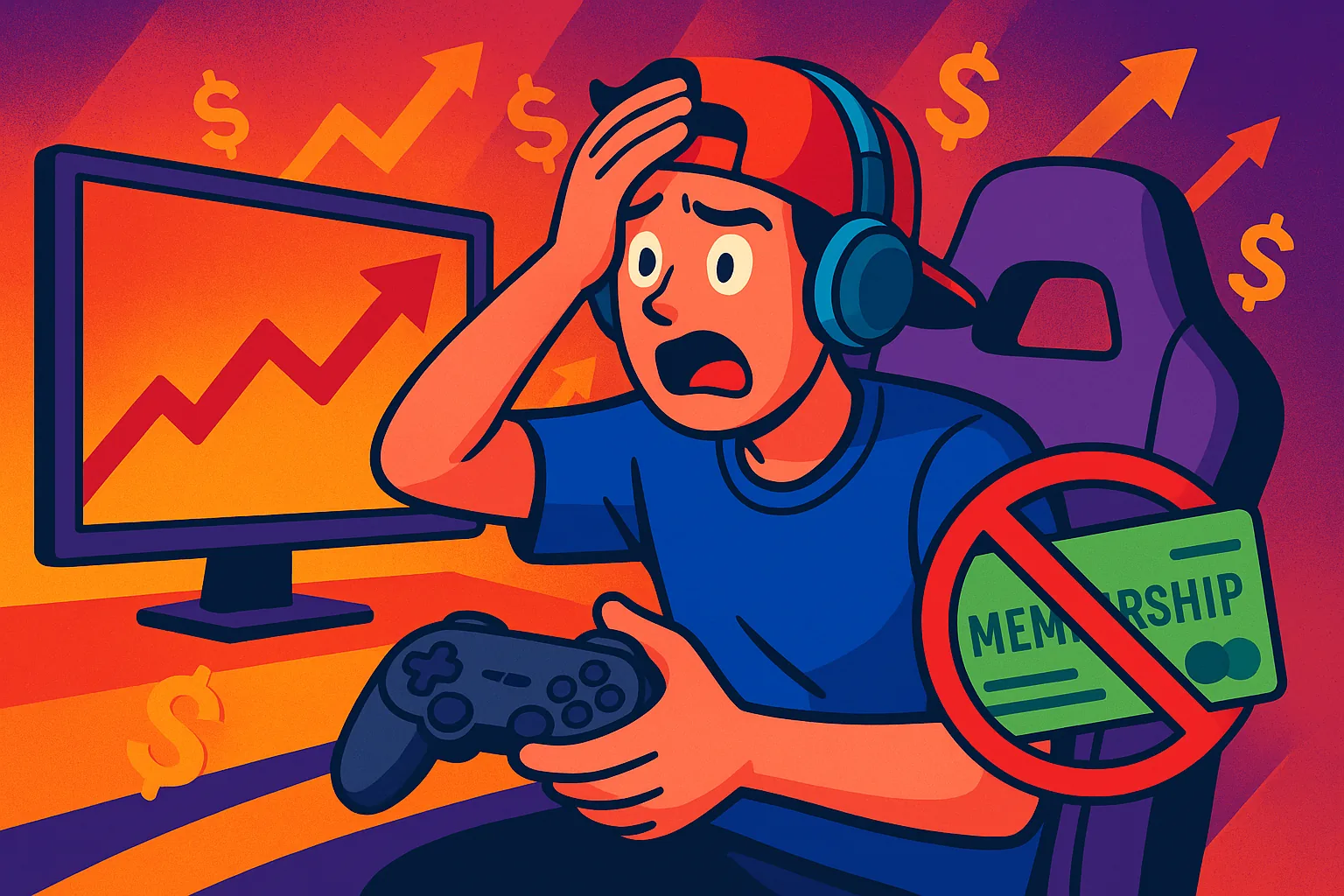
The subscription model has become a cornerstone of modern gaming, but it looks like rising prices are starting to take their toll. A recent survey reveals that more than 40% of people cancelling their Xbox Game Pass, PlayStation Plus, or Nintendo Switch Online subscriptions are doing so specifically because of increased costs.
This finding highlights a growing tension between gaming companies looking to boost revenue and players who are feeling the pinch in their wallets. As these services continue to raise their prices, a significant chunk of their user base is deciding that the value proposition just isn’t there anymore.
The Subscription Fatigue Is Real
It’s not hard to see why gamers are reaching their breaking point. Over the past few years, we’ve seen price hikes across all three major gaming subscription services. What used to be an affordable way to access a library of games and online features has gradually become more expensive, and not everyone’s budget can keep up.
The 40% figure is particularly striking because it shows this isn’t just a small group of price-sensitive users. This represents a substantial portion of people who are actively choosing to walk away from these services, and they’re pointing directly at the price tag as the reason.
Of course, rising costs aren’t happening in a vacuum. We’re living in a time when people are subscribing to multiple services across entertainment, from streaming video to music to games. When you add up Netflix, Spotify, Xbox Game Pass, PlayStation Plus, and maybe a few others, the monthly total can get pretty hefty. Something’s got to give, and for many gamers, the subscription service is the first to go.
What This Means for the Industry
This trend should be a wake-up call for Microsoft, Sony, and Nintendo. While subscription services have been praised as a great way to provide steady revenue and keep players engaged, they only work if people actually stay subscribed. If a large percentage of cancellations are price-driven, that suggests the companies might be testing the upper limits of what their audiences are willing to pay.
The challenge for these platform holders is finding the right balance. They need to cover the costs of maintaining servers, acquiring games for their libraries, and developing new features, but they also need to keep their services accessible enough that people don’t jump ship.
It’s worth noting that price isn’t the only factor in cancellations. Some people simply finish the games they wanted to play and don’t see the need to stay subscribed. Others might rotate between services, subscribing for a month or two when there’s something they want, then cancelling until the next big release. But when more than 40% specifically cite rising costs, that’s a clear signal that pricing strategy matters.
The Value Question
Ultimately, this comes down to perceived value. If you’re getting a ton of games you want to play, online features you use regularly, and perks that make the subscription feel worthwhile, a price increase might sting but won’t necessarily push you away. But if you’re only using the service occasionally, or if the library doesn’t appeal to you as much lately, even a small price bump can be enough to make you reconsider.
For gamers trying to make the most of their budget, it might be worth checking out our deals section to find discounts on the games you actually want, rather than paying for a subscription you’re not fully utilizing. Sometimes buying games outright during sales can actually be more cost-effective than maintaining a year-round subscription.
The subscription model isn’t going anywhere, but this data suggests that gaming companies need to be more careful about how they approach pricing. Push too hard, and they risk losing the very audience they’re trying to serve. 🎮